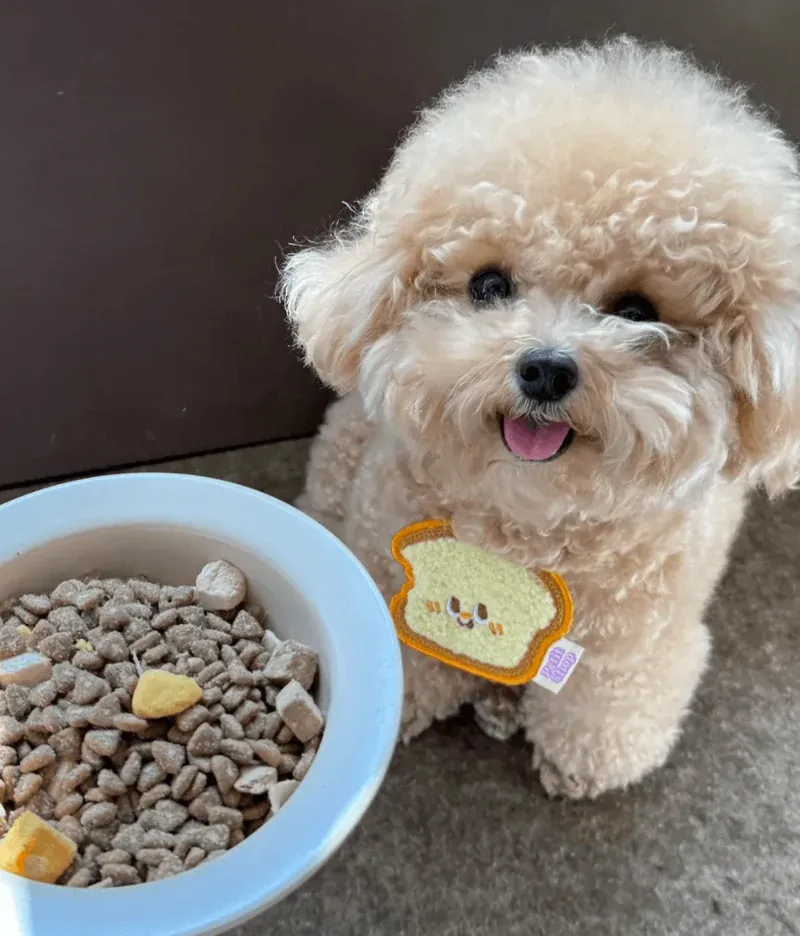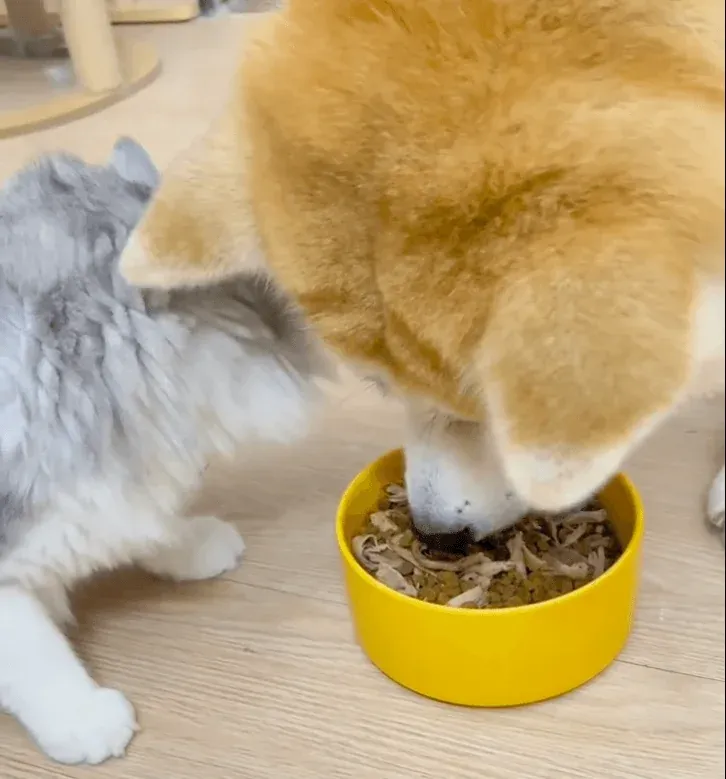
As the leaves turn and the days grow shorter, chestnuts often find their way into our kitchens. While these seasonal treats aren’t essential for your dog’s diet, they can be a delightful, occasional snack if handled with care. Before you let your pooch partake, it’s crucial to be informed about the dos and don’ts.
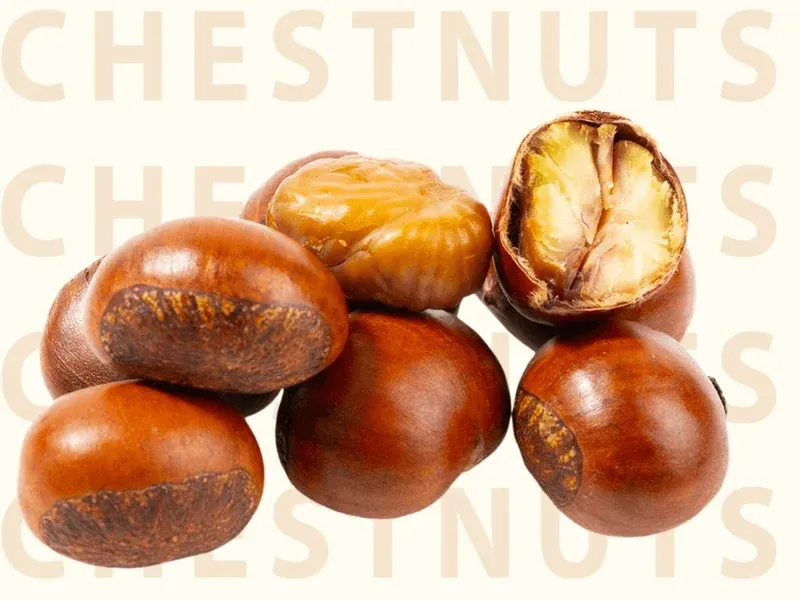
Nutritional Benefits: Why Chestnuts Can Be a Treat
Chestnuts differ from other nuts due to their unique composition, offering several benefits for your dog when given sparingly:
- Antioxidant Boost for Senior Pups: Chestnuts are rich in antioxidants, which help combat free radicals. This can be particularly beneficial for aging dogs, aiding in cellular protection against oxidative damage.
- Low-Fat Nut Option: For dogs that need to keep an eye on their weight, chestnuts are a better choice than higher-fat nuts like almonds or walnuts.
- Digestive Aid: The dietary fiber in chestnuts supports digestive health and can help regulate blood sugar levels.
- Mineral Richness: With ample potassium, magnesium, and iron, chestnuts contribute to nerve health and muscle function.
Potential Hazards: What Pet Owners Should Be Aware Of
Although the flesh of the chestnut is non-toxic, there are some risks involved:
- Choking and Blockage Risks: Due to their density and shape, chestnuts can pose a choking hazard or cause intestinal obstructions, especially in smaller dogs.
- Raw Chestnut Issues: Raw chestnuts can be hard for dogs to digest, possibly leading to bloating and stomach discomfort.
- Excess Fiber Problems: Introducing too much fiber quickly can upset your dog’s digestive system, causing gas or diarrhea.
Safe Serving Guidelines for Chestnuts
To ensure chestnuts are a safe indulgence, adhere to these key guidelines:
1. Choose the Right Chestnuts: Ensure the chestnuts you offer come from the Castanea genus, such as American, Chinese, or Japanese varieties. Steer clear of Horse Chestnuts (Conkers), which are toxic and can lead to severe health issues like vomiting or paralysis.
2. Remove the Shell: The hard outer shell is not digestible. Always peel it away, leaving only the tender interior for your dog.
3. Cook Thoroughly and Simply: Never serve chestnuts raw. They should be boiled or roasted until soft, without any added salt, sugar, butter, or oils. Avoid seasonings, particularly onion or garlic, as these are toxic to dogs.
4. Cut into Manageable Pieces: Do not give a whole chestnut. Instead, chop it into small, easily digestible pieces.
5. Adhere to Treat Limits: Chestnuts should be a minimal part of your dog’s diet.
- Small Dogs: Approximately 1/4 of a nut.
- Medium Dogs: About 1/2 a nut.
- Large Dogs: Generally, one whole nut.
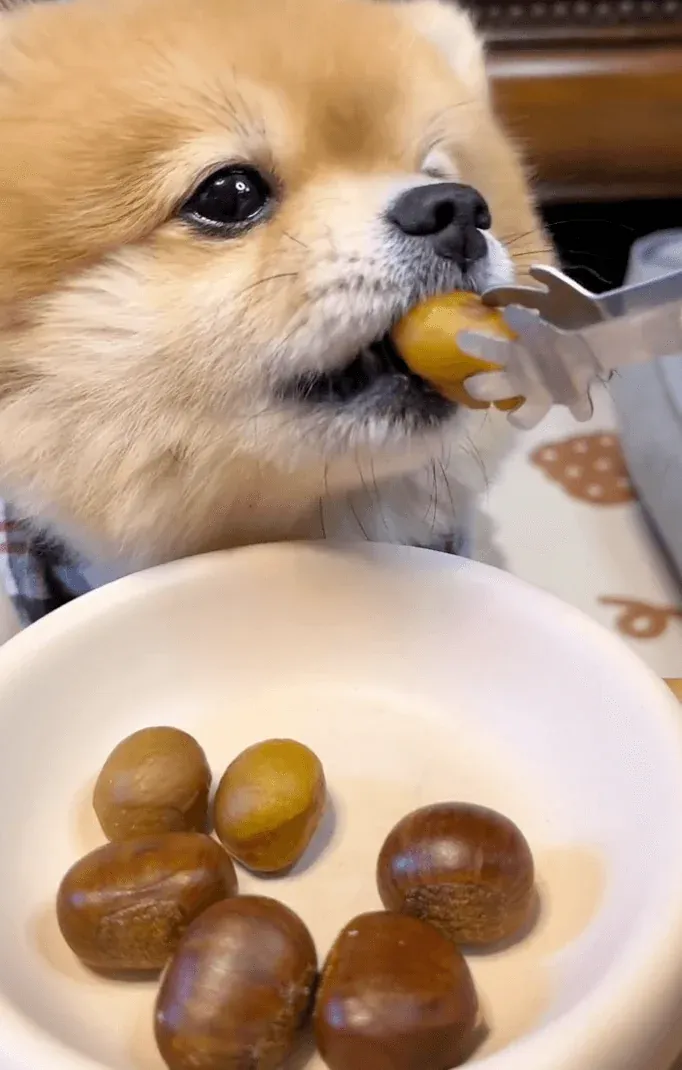
Avoiding Processed Chestnut Products
While plain chestnuts are acceptable, processed chestnut items are not. Many store-bought chestnut products contain sugars and fats that are unsuitable for dogs. Be cautious of ingredients like xylitol, chocolate, or raisins, often found in holiday recipes.
If your pet shows any signs of distress, such as vomiting or lethargy, after consuming chestnuts, seek veterinary advice promptly.
By offering cooked, plain, and finely chopped chestnuts in moderation, you can safely let your dog savor a bit of the autumn season.