

As dogs transition into their senior years, typically around the age of seven or older, their metabolic rate decreases, and vital organs such as the kidneys and heart become increasingly susceptible to health issues. Selecting appropriate nutrition is crucial not just for sustenance but for prolonging life and alleviating discomfort.
This article explores which foods are beneficial and which are harmful for older dogs, providing practical advice for owners who wish to ensure their pets thrive in their later years.
Harmful Foods for Aging Dogs
Certain foods pose significant risks to senior dogs due to their sensitive systems. Here are some key foods to avoid:
- Chocolate: With its theobromine content, chocolate can induce heart complications and nervous system damage, especially in dogs with already strained cardiovascular systems.
- Onions and Garlic: These contain disulfides that can destroy red blood cells, leading to anemia and potentially severe organ damage.
- Grapes and Raisins: Known for causing acute kidney failure, these fruits should be strictly avoided as older dogs often have compromised kidney function.
- Macadamia Nuts: Consumption can lead to muscle tremors, paralysis, and elevated body temperature shortly after ingestion.
- Raw Eggs and Fish: While raw eggs contain avidin, which inhibits biotin absorption, raw fish contains thiaminase, which can disrupt vitamin B1 levels, causing neurological issues.
- Potato Skins: Rich in solanine, these can cause respiratory paralysis if not properly cooked and peeled.
- Artificial Sweeteners (Xylitol): Common in sugar-free products, xylitol can cause rapid insulin release, leading to liver damage and seizures.
- Avocado: Contains persin, which can lead to heart congestion and breathing issues.
- Fruit Pits and Seeds: Apple seeds and similar contain cyanide, posing choking and toxicity risks.
- Cooked Animal Bones: These are prone to splintering, risking injury to the digestive tract.
- Alcohol: Even small amounts can lead to ethanol poisoning, affecting the brain and kidneys.
- Caffeine: Found in coffee and tea, caffeine can accelerate heart rate and cause tremors, especially dangerous for dogs with heart issues.

Beneficial Superfoods for Senior Dogs
Conversely, these foods can support the health and well-being of aging dogs:
- Boiled Eggs: A good source of digestible protein, ideally limited to a few per week due to cholesterol concerns.
- Lean Meats: Essential for muscle maintenance and combating age-related muscle loss.
- Pumpkin: Offers high fiber content, aiding in digestive health and preventing constipation.
- Carrots: Packed with vitamins that support eye health and reduce inflammation.
- Broccoli: Enhances immune function and should be served steamed for easy digestion.
- Bananas: Soft and rich in potassium and vitamin B6, suitable for dogs with dental issues.
- Apples: High in fiber and vitamins, but always remove seeds and core before serving.
- Guava and Papaya: These fruits are rich in vitamin C and digestive enzymes, respectively.
- Watermelon: Primarily water, it’s excellent for hydration.
- Mango: Offers vitamins A and E; ensure it’s peeled and seedless.
- Strawberries and Blueberries: Both are antioxidant-rich, helping to counteract cellular inflammation.
- Dragon Fruit and Wax Apple: Low-calorie options that provide hydration and are ideal for weight management.
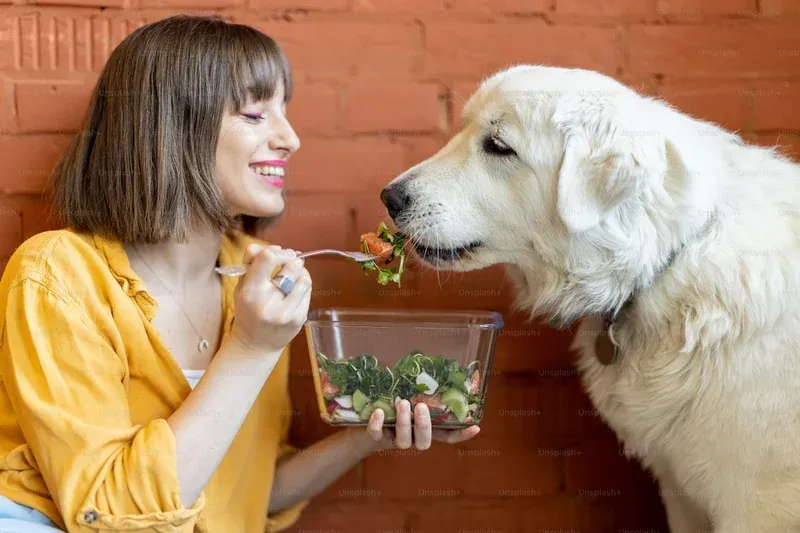
Comparative Nutrition Guide for Senior Dogs
| Benefit Category | Best Food Choice | Why it helps Seniors |
|---|---|---|
| Cognitive Health | Blueberries | Supports mental agility and combats cognitive decline |
| Digestive Health | Pumpkin / Dragon Fruit | Prevents digestive discomfort and maintains regularity |
| Muscle Retention | Cooked Eggs / Lean Beef | Supplies necessary protein for muscle preservation |
| Joint & Vision | Carrots / Broccoli | Alleviates inflammation and fosters eye health |
Common Inquiries
Can senior dogs safely consume human snacks?
Yes, provided these snacks are free from harmful substances like xylitol, salt, and chocolate. Opt for safe choices such as carrots or blueberries.
Why might a senior dog become finicky with food?
This could be due to dental discomfort or a reduced sense of smell. Experimenting with warming their meals or incorporating plain cooked eggs might enhance appeal.
Is grain-free food preferable for older dogs?
Not necessarily. Unless there’s a specific allergy concern, whole grains offer valuable energy. It’s best to consult a veterinarian before making significant dietary changes.
Disclaimer: Each dog is unique. Prior to introducing new foods, especially if health conditions like chronic kidney disease or diabetes are present, consult a veterinarian for tailored advice.