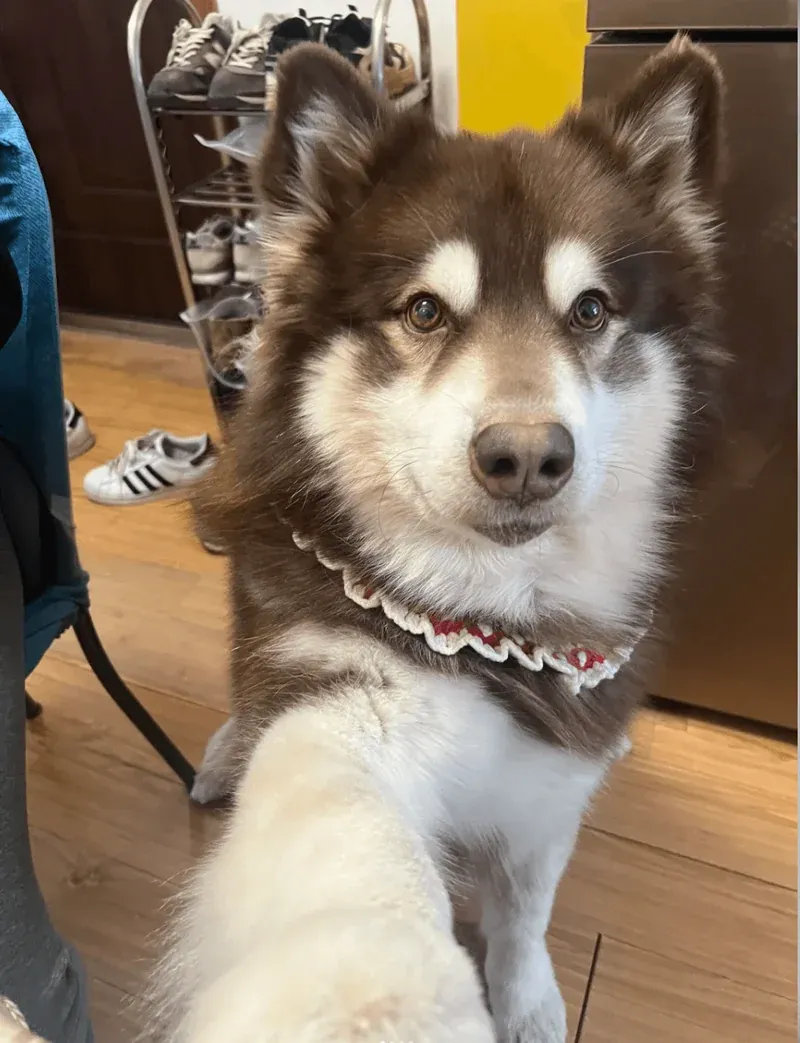
We often think that showing love to our dogs means giving them plenty of treats and large meals. However, this ’extra love’ can lead to serious health problems. Just like in humans, obesity in dogs is more than a cosmetic concern; it’s a significant health issue. Overweight dogs are at higher risk for conditions such as diabetes, liver issues, and chronic joint pain. To ensure your furry friend’s well-being, it’s important to shift your focus from feeding habits to fostering a healthier lifestyle.
Understanding Weight Gain in Dogs
Weight gain in dogs is primarily an imbalance between energy intake and energy expenditure. When a dog consumes more calories than they burn, the excess is stored as fat.
- Breed Tendencies: Certain breeds, like Labrador Retrievers and Pugs, are naturally inclined to overeat due to their ‘scavenger’ instincts.
- Aging Concerns: Older dogs often experience a slower metabolism, making them more prone to weight gain as they age.

DIY Body Assessment for Your Dog
Wondering if your dog is a bit too round? You can easily assess their body condition at home:
- Feel the Ribs: Gently run your fingers along your dog’s sides. You should feel the ribs and spine with minimal pressure. If you can’t, your dog might have excess fat.
- Top View: Stand above your dog and observe their body shape. A healthy dog should have a noticeable ‘waist’ between the ribs and hips.
- Side View: Look at your dog from the side. Their abdomen should have an upward ’tuck’ from the ribs to the groin, not hang down.
Taking Action: A Weight Management Plan
If your dog doesn’t pass these checks, don’t worry—but do act. Consult your veterinarian to rule out health issues like thyroid problems before starting a weight loss plan.
1. Revamp the Diet
Losing weight doesn’t mean your dog has to be hungry. It’s about smart nutrition. Work with your vet to choose a diet high in moderately fermentable fiber to keep them satisfied and healthy fats to maintain a shiny coat.
2. Increase Activity Levels
Regular exercise is crucial. It not only burns calories but also curbs appetite, builds muscle, and boosts your dog’s metabolism even at rest. Adding just 15 extra minutes of brisk walking daily can make a significant difference.
3. Adjust Human Behavior
Managing your dog’s weight often requires you to change your behavior too. Consider these tips:
- Dining Decorum: If your dog begs during meals, keep them elsewhere until dinner is over.
- Frequent Feeding: Break up their daily food into smaller, more frequent meals to keep their metabolism engaged.
- Bowl-Only Treats: Ensure all treats are given in their bowl, avoiding handouts.
- Non-Food Rewards: When your dog seeks attention, opt for playtime or grooming over snacks. A good belly rub is calorie-free!

A healthy dog is not just a happy dog, but also a longer-lived companion. By encouraging active play and reducing extra treats, you provide your dog with a healthier, more comfortable life.