
Fleas are more than just a nuisance; these persistent pests can significantly impact your dog’s health. Knowing how to identify, manage, and prevent flea infestations is crucial for every pet owner who wants to keep their furry friend healthy.
Beyond the Itch: Hidden Hazards
A flea problem can lead to several health issues for your beloved canine:
- Parasites on Board: Fleas can carry tapeworm larvae. If a dog ingests an infected flea, it can lead to a tapeworm infestation. This is not only a concern for dogs but can also affect humans if accidentally consumed.
- Bacterial Risks: Fleas are vectors for various bacteria, including those that cause the plague. Although rare, there is a potential for transmission to humans.
- Anemia Alert: Fleas feed on blood, and a severe infestation can lead to anemia, resulting in extreme fatigue and weakness. Smaller dogs and puppies are more vulnerable to severe consequences.
Health Check Tip: Regularly check your dog’s gums. Pale or blanched gums, instead of a healthy pink, might indicate anemia.
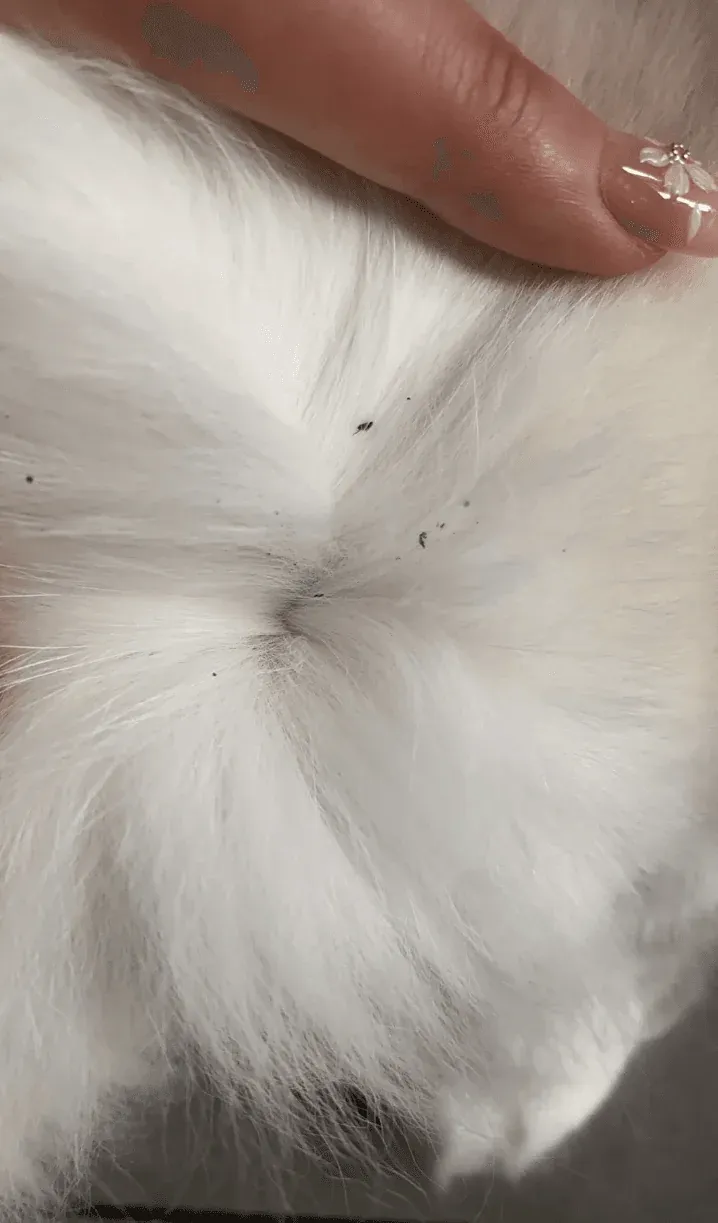
Identifying Infestations: Key Indicators
Fleas are adept at hiding, but they leave telltale signs. Examine your dog, especially around the abdomen, back, and tail base.
Look for:
- Active Fleas: Adult fleas moving through the fur.
- Flea Debris: Flea droppings resembling dark, pepper-like particles.
- Dissolving Test: Place any dark specks on a damp white paper towel. Reddish-brown streaks indicate dried blood, confirming flea presence.
Proactive Prevention: A Three-Pronged Approach
Protecting your dog requires both environmental and medical strategies.
1. Maintain Your Yard Fleas thrive in tall grass and dense vegetation. Regularly mowing your lawn and trimming bushes can deter flea-carrying wildlife from visiting your property.
2. Regular Inspections Don’t wait for your dog to start itching. Frequent checks with a flea comb can help detect fleas early before they multiply.
3. Medical Preventatives Advancements in veterinary medicine offer various options, from oral medications to topical treatments, which can stop fleas before they breed.
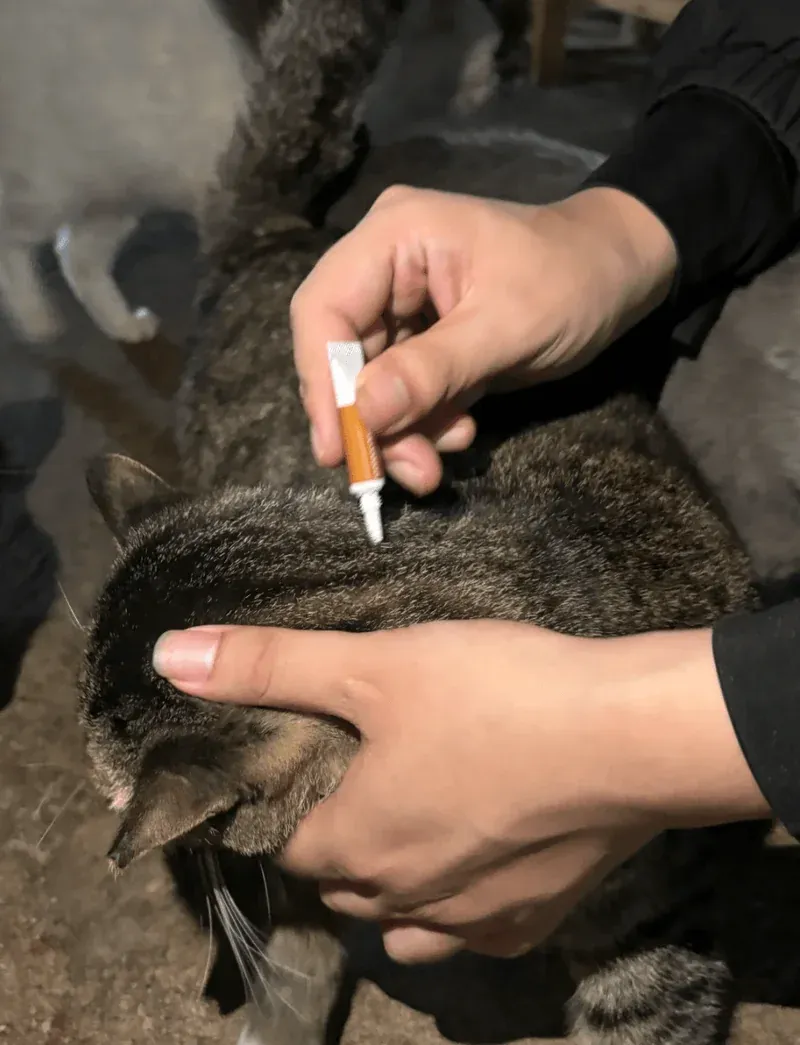
Guidance for Pet Owners
- Avoid Mixing Treatments: Combining different flea medications without vet advice can be dangerous. Some combinations might neutralize each other or cause harmful reactions.
- Consult with Veterinarians: Every dog has different needs. Your vet can recommend the best preventive measures based on your dog’s specific health and lifestyle.
A flea-free environment ensures a happy and healthy dog. By being observant and proactive, you can keep your pet comfortable throughout the year.