
When temperatures plummet, it’s easy to think you can skip your dog’s grooming routine. Many pet owners believe that since dogs don’t sweat like humans, they can wait until warmer months for a bath. However, maintaining a regular bathing schedule is crucial for your dog’s skin and coat health, even in the cold season.
To ensure your furry friend stays clean and comfortable without suffering from the winter chill, consider these expert tips for cold-weather grooming.
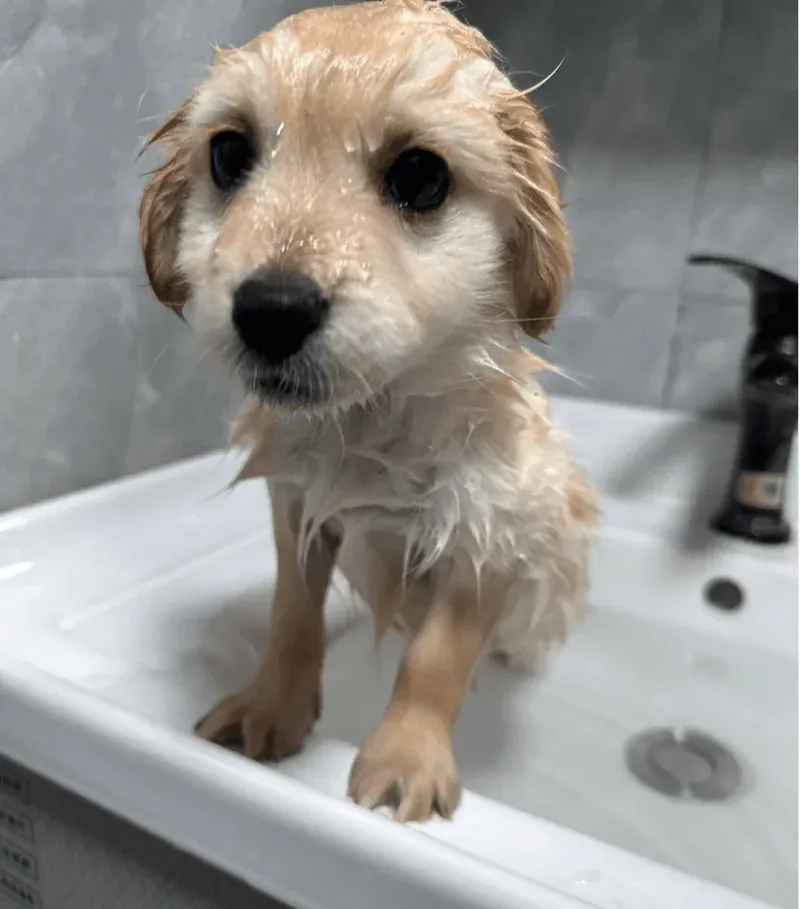
1. The Perfect Water Temperature
Dogs have more sensitive skin than we do, so while a hot shower might feel great to you, it can harm your pet’s natural skin oils.
- Optimal Temperature: Aim for water between 28°C and 34°C.
- Comfortable Setting: Make sure to bathe your dog in a warm indoor space, away from chilly drafts. Sudden changes from a warm bath to a cold room can lead to illness.
- Product Selection: Use a moisturizing shampoo that is gentle on the skin. Winter air is dry, and a nourishing shampoo can help prevent dandruff and itchiness.
2. The Importance of Thorough Drying
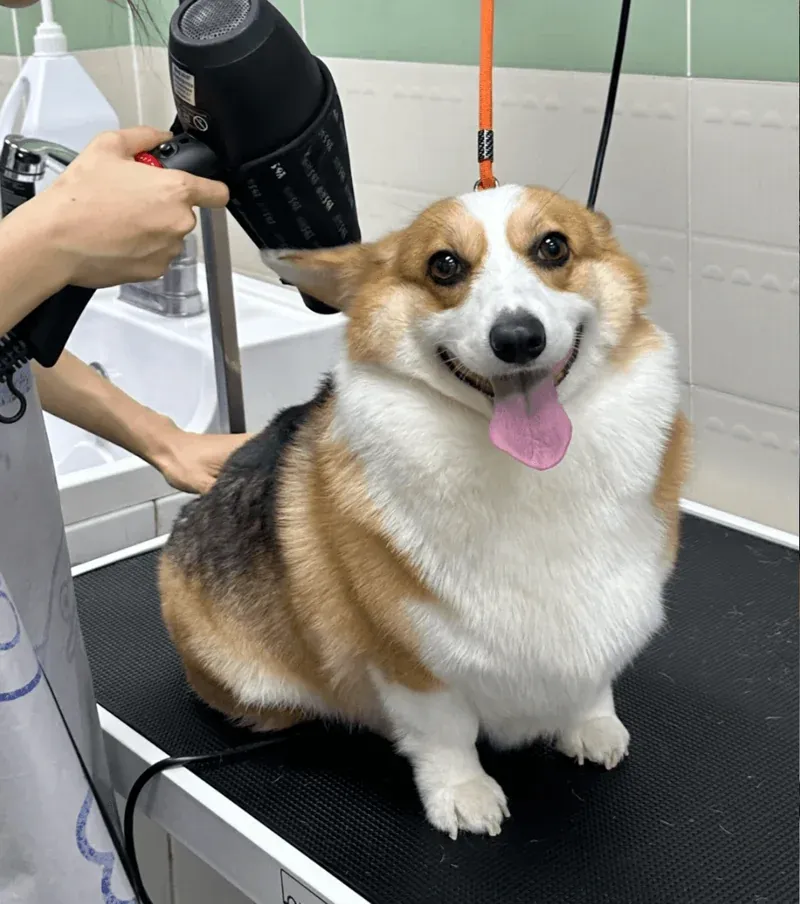
Letting your dog air dry in winter can be dangerous, leading to hypothermia or skin issues.
- Towel Off: Use an absorbent towel to remove as much moisture as possible right after the bath.
- Use a Hair Dryer: A pet-specific dryer set to a medium-warm level will help dry your dog safely. Keep the dryer moving to prevent overheating any area. If your dog is nervous about the noise, reward them with treats and gentle encouragement.
3. Extra Care for Older or Ill Pets
Senior dogs or those with health issues may find winter baths particularly taxing. The cold and damp can worsen their conditions.
- Seek Veterinarian Advice: If your pet is elderly or unwell, consult a vet before bathing them in winter.
- Alternative Cleaning Methods: If a full bath is too risky, use pet-friendly wet wipes or waterless shampoos to keep your pet clean without exposing them to the cold.
Addressing Winter-Related Skin and Paw Issues
Managing Dry Skin The dry winter air can lead to itchy, flaky skin. If your dog is scratching more than usual, consider adding Omega-3 and Omega-6 fatty acids to their diet to support skin health.
Protecting Paws Cold surfaces and icy grounds can damage your dog’s paw pads.
- Trim Paw Fur: Keeping the fur between their toes short can help prevent ice buildup.
- Use Paw Protection: Apply a protective balm before walks to safeguard against harsh elements. In extremely cold areas, dog boots can offer additional protection and grip.
Debunking Winter Grooming Myths
Myth: “Winter baths lead to colds.” Truth: It’s not the bath but the cold environment that causes illness if a dog is left wet. Ensure they are thoroughly dry and warm afterwards.
Myth: “Long-haired breeds can skip winter baths.” Truth: Breeds with dense fur, like Pomeranians or Maltese, can trap dirt and oils, leading to matting and infections. Regular grooming is essential year-round.
By focusing on warmth and hydration, you can keep your dog clean and cozy all winter. Remember, a dry dog is a comfortable dog!