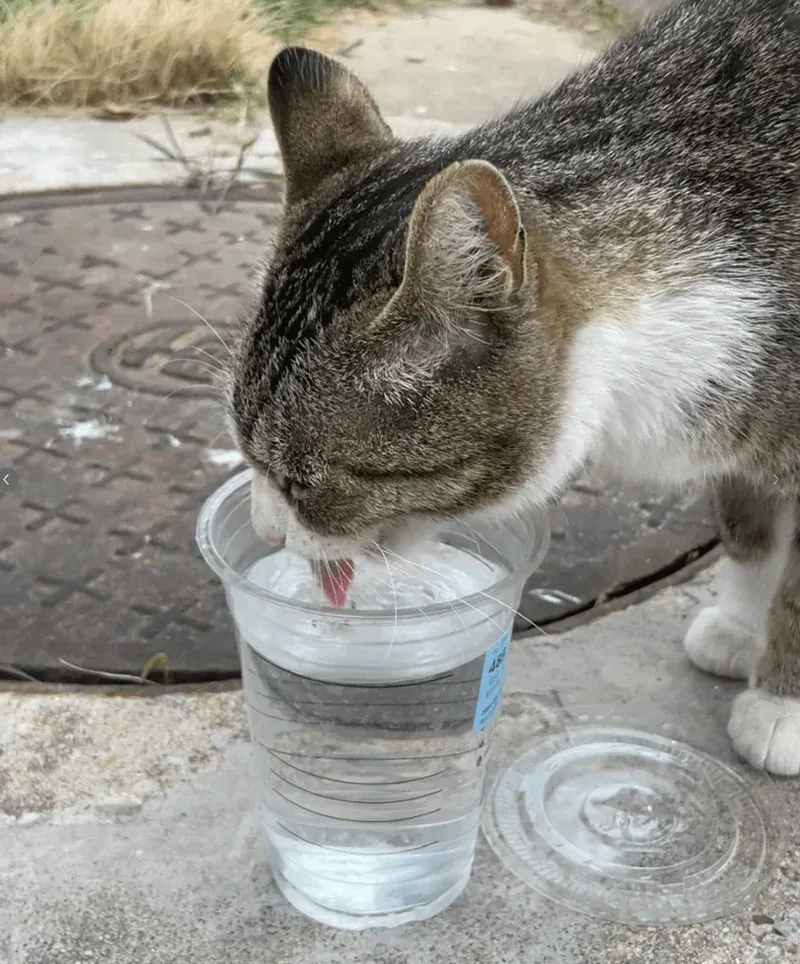
Pet owners know the frustration of a pet that refuses to eat, leaving a full bowl untouched. Whether your furry friend is a selective eater who turns up their nose at everything or is simply resisting a new type of food, picky eating often stems from behavioral issues rather than culinary preferences. Before considering sharing your own meals with your pet, explore these five expert-backed approaches to help reset their appetite and streamline the transition to new foods.

1. Harness the “20-Minute Window” Technique
A prevalent cause of picky eating is the practice of “free-feeding,” where food is available all day long. This method reduces the perceived importance of the meal and encourages “grazing” instead of proper eating.
- The Approach: Present the meal for a strict 20-minute period. If the food remains untouched, remove it and do not offer more until the next scheduled feeding time.
- The Science: This strategy sets a clear timeframe, utilizing the body’s natural hunger signals. A healthy pet won’t starve themselves and will soon understand that the chance to eat is both limited and valuable.
2. Enhance Aroma with the “Body Temperature” Trick
Dogs and cats rely heavily on their sense of smell. Historically, their ancestors consumed freshly caught, warm prey. Cold kibble or refrigerated wet food lacks the strong aroma that appeals to their senses.
- The Approach: Add a bit of warm water or low-sodium broth to their meal, or microwave wet food for a few seconds until it reaches about 36°C (97°F).
- The Result: Heating the food releases fats and aromas, acting as a natural “dinner bell,” making the meal more appealing without adding unnecessary calories.
3. The Gradual “7-Day Transition” Method
Switching to a new food brand suddenly can lead to a “hunger strike” or digestive issues. Pets are creatures of habit and are sensitive to changes in their diet’s protein and fiber content.
- Transition Plan:
- Days 1-2: Mix 70% old food with 30% new food.
- Days 3-4: Combine 50% old food with 50% new food.
- Days 5-6: Use 30% old food and 70% new food.
- Day 7: Serve 100% new food.
- Why It Works: This methodical transition allows your pet’s digestive system to adjust and prevents overwhelming their senses with new smells or textures.
4. Conduct a “Treat Audit” to Prevent Satiety
If your pet consumes too many high-calorie treats, they will naturally be less inclined to eat their nutritious meals. It’s similar to a child filling up on sweets before dinner.
- The Approach: During periods of pickiness, eliminate all treats. Treats should not exceed around 9% of their total daily caloric intake.
- The Secret: If rewarding your pet is necessary, use a portion of their regular kibble as “training treats.” If they aren’t willing to work for their kibble, they aren’t truly hungry.
5. Assess the “Environmental” Influences
Occasionally, the problem isn’t the food itself but rather the bowl or its location.
- For Cats: “Whisker fatigue” can occur with deep, narrow bowls that overstimulate whiskers. Opt for a shallow, broad plate instead.
- For Dogs: Some dogs feel uneasy while eating. Place their bowl in a quiet, low-traffic area where they feel secure and less likely to be disturbed.
When to Consult a Veterinarian
While pickiness is generally behavioral, refusal to eat, known as anorexia, can signal underlying health issues. Seek veterinary advice if:
- Your cat hasn’t eaten for over 24 hours, due to the risk of hepatic lipidosis.
- Your pet exhibits lethargy, vomiting, or diarrhea.
- You observe red, swollen gums or loose teeth, which may indicate pain while eating.
Consistency is key. By adhering to a strict routine and employing sensory techniques, mealtimes can transform from a challenge to a delight for both you and your pet.