Feline Chronic Kidney Disease (CKD) is a prevalent concern among older cats, impacting over 30-40% of felines past the age of ten. If your aging companion has been drinking more water or shedding weight, you might ponder: “Is it safe to offer high-protein snacks?”
This guide delves into the importance of early intervention, potentially adding 3+ years to your cat’s life, alongside a detailed food guide tailored for kidney health.
Immediate Insight
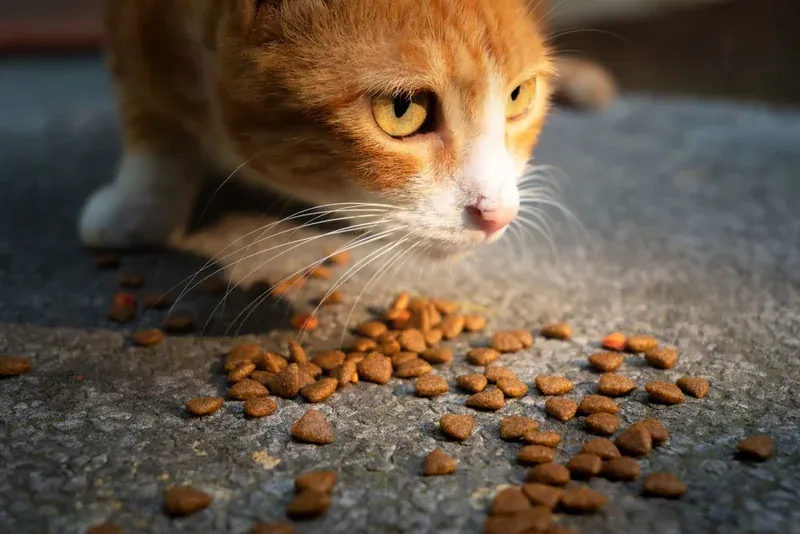
Generally, cats suffering from Chronic Kidney Disease (CKD) should steer clear of high-protein and high-phosphorus treats. Elevated protein levels can increase blood urea nitrogen (BUN), while phosphorus hastens kidney damage. Opt instead for top-notch, low-phosphorus treats or supplements approved by veterinarians to ease the kidney’s burden.
The Lifesaving Power of Early Action
Detecting CKD early can transform a mere 3-6 months into 3-5 years of quality living.
- The Challenge: Symptoms such as vomiting and “uremic breath” become evident only when 75% of kidney function is compromised.
- The Opportunity: Catching it when creatinine levels are under 200 allows for medical and nutritional interventions that can halt progression.
Five Critical Alert Signals
Pet owners often chalk these symptoms up to aging, but they shouldn’t.
Stage 1: Subtle Decline (25% Function Loss)
- Increased Thirst: Consuming over 100ml/kg daily.
- Frequent Urination: Larger, more frequent litter clumps.
- Weight Reduction: Losing >3% body weight monthly, noticeable when handled.
Stage 2: Noticeable Challenges (50% Function Loss)
- Deteriorating Coat: Fur becomes dry, tangled, and lacks luster.
- Fatigue: Reduced playfulness at night, more hiding.
- Odorous Breath & Pale Gums: Early signs of uremia and anemia.
Advanced Diagnostic Measures
Move beyond basic blood tests. Request from your vet:
- SDMA Test: Detects kidney disease up to 4 years before traditional creatinine tests.
- Urine Specific Gravity (USG): Healthy cats should exceed 1.035; CKD cats often drop below 1.020.
Integrative Treatment Strategy: Western and Eastern Approaches
Managing CKD demands a balanced approach, bridging immediate relief with enduring health.
1. Western Medicine: Mitigating Advancement
- Fluid Therapy: Administering LRS (Lactated Ringer’s Solution) at home (approx. 40ml/kg) to cleanse toxins.
- Proteinuria Management: Using ACE inhibitors like Benazepril to ease kidney strain.
- Specialized Diets: Transitioning to low-phosphorus prescription diets (e.g., Royal Canin Renal or Hill’s k/d).
2. Traditional Chinese Medicine (TCM): Enhancing Kidney Vitality
- Herbal Remedy:
- Astragalus (黄芪) 10g + Poria (茯苓) 6g: Assists in draining and detoxifying.
- Yam (山药) 8g + Euryale Seed (芡实) 5g: Nourishes kidney essence.
- Instructions: Boil with water, mix into wet food thrice weekly.
- Acupressure (ST-36): Massaging the “Hou San Li” point (back leg, below knee) to enhance metabolism.
- Nutritive Soups: Winter melon with crucian carp (de-oiled) or pumpkin millet porridge.
The “Avoid at All Costs” List for CKD Cat Owners
Steer clear of these common pitfalls that exacerbate kidney issues:
- ❌ High-Phosphorus Snacks: Keep away from Cheese, Dried Small Fish, or Jerky. Phosphorus is detrimental to CKD-afflicted kidneys.
- ❌ Bentonite Clay Litter: Dust may cause urinary tract infections (UTIs), potentially reaching kidneys.
- ❌ Indiscriminate Fish Oil Use: Lower-quality fish oils might contain heavy metals or improper ratios stressing kidneys. Opt for Veterinary-Grade Omega-3.
Caring for Your Aging Cat
- Age 7+: Annual SDMA and USG tests.
- Dietary Transition: Gradually shift to low-phosphorus “Senior” or “Renal” food preemptively.
- Regular Weight Checks: Use a baby scale (precise to the gram) to monitor subtle weight variations.
Disclaimer: This guide serves educational purposes. Feline CKD is intricate. Always consult your veterinarian for tailored dosages and treatment strategies for your cat.